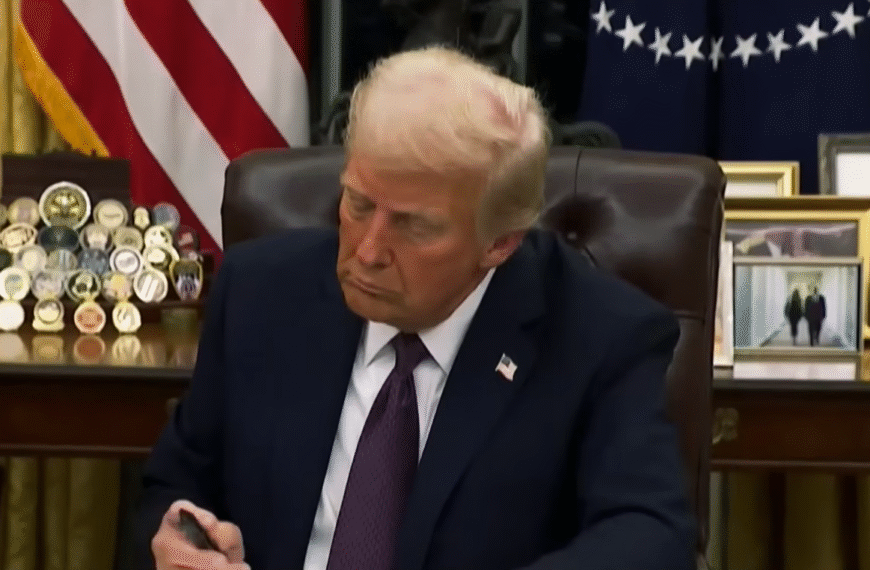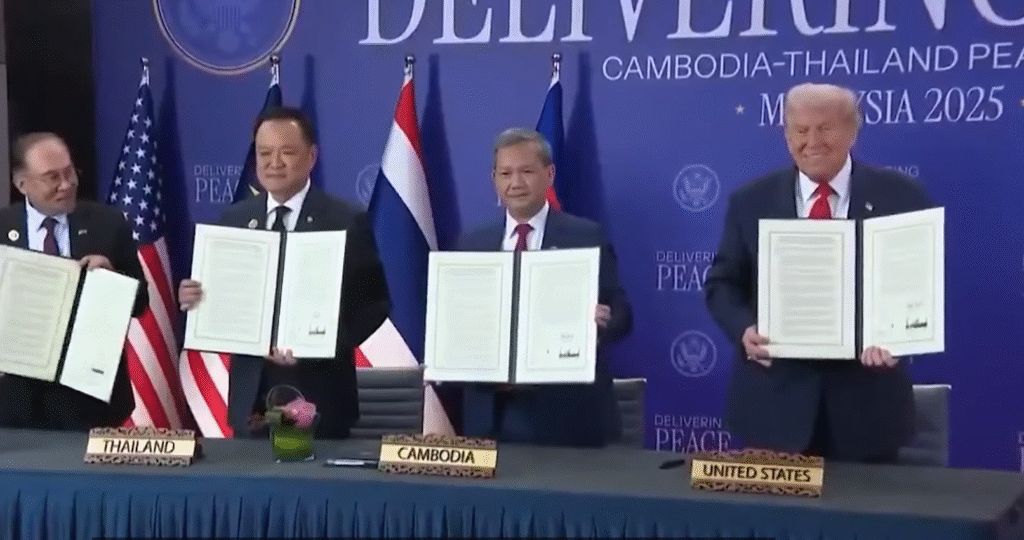
Deadly conflict along the border between Thailand and Cambodia continues, with reports of renewed violence and air strikes immediately following a highly publicized claim of a ceasefire brokered by US President Donald Trump.
The escalation signals a significant setback for international mediation efforts and has led to a diplomatic rift, as Bangkok’s government sources reportedly moved quickly to deny the American President’s announcement.
Clashes Continue Despite White House Announcement
Despite the US President announcing that he had secured an agreement from both countries to renew a ceasefire, fighting has raged on at the disputed frontier. Sources confirm that fresh military action, including air strikes by Thailand, have hit Cambodian positions.
The continuation of hostilities directly contradicted the US statement, which had celebrated the truce as a diplomatic success. Casualties have been reported on both sides, with sources indicating that four Thai soldiers were among those killed in the intense fighting.
Bangkok Rejects Mediation Claim
In a stark diplomatic repudiation, official sources from the Thai government were quick to refute the US President’s claim of a successful truce.
- Reports indicate that the Thai government rejected the truce claim outright, vowing to continue fighting until its territorial demands were met.
- Cambodia, in turn, has accused Thailand of launching fresh air strikes and violating the ceasefire, even as the diplomatic confusion unfolded.
The incident highlights the volatile nature of the long-running border dispute and raises serious doubts about the efficacy and timing of the US’s intervention.
The conflicting narratives—a US President claiming peace while the involved nations report war—underscore the complexity of mediating deeply entrenched regional conflicts and the lack of coordination on the ground. Analysts suggest the diplomatic fallout will continue to impact US-Southeast Asia relations as both sides prepare for further military confrontation.


 By
By